How Remote Professionals Solve FQHC and Private Practice Insurance and Credentialing Delays
At a community health center, one front desk can verify Medicaid, Medicare, sliding fee scale, and private insurance patients in a single day, each with its own steps. In a busy private practice, payer calls that run 15 to 20 minutes each add up to 3 to 5 hours a day on hold. When verification gets rushed, the cost shows up later: roughly 30% of claim denials trace back to eligibility. Credentialing fails more quietly — a missed renewal stays invisible until claims come back denied, and some payers' timely filing windows are as short as 90 days.
Danny Vega, Enterprise Account Executive at Edge, walks health center and practice leaders through the upstream work that prevents those denials and delays. He covers what dedicated verification specialists confirm before a patient is in the chair, which credentialing tasks remote professionals can own while licensure stays with your credentialing committee, and how to get new providers billing from day one. That work runs from secure, HIPAA-compliant Edge Campuses, not home offices. Hosted by Neha Imran of Edge.

Our speaker
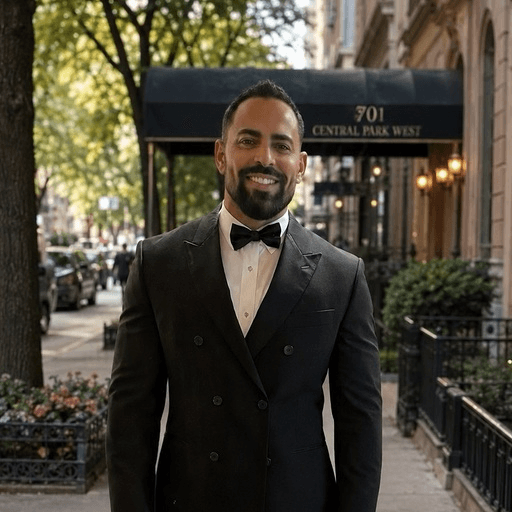
Danny Vega
Enterprise Account Executive, Edge
Worked in healthcare since 2008, starting in the medical device space. Based in Tampa, he now works with multi-site healthcare organizations to move administrative work like insurance verification and credentialing follow-up off their teams' plates. He brings that operational view to the causes of claim denials that health centers and practices can actually control.
Highlights
- Why roughly 30% of claim denials trace back to eligibility, and why most denied claims would be overturned if someone had time to resubmit them
- What dedicated verification specialists confirm before the patient arrives: active coverage, copays, deductibles, and prior authorizations — each specialist handling 30 to 50 verifications a day inside Availity and the systems you already use
- What actually shortens payer credentialing: a complete file the first time (every missing document restarts the clock), a current CAQH profile, fixed follow-ups, and delegated credentialing where you qualify
- The new provider playbook: collect documents at the offer, submit to every payer at once, file Medicare through PECOS by the start date, and book first patients with payers that have already approved
- The denial codes that signal a payer contract change, and how to escalate in writing before claims age out